How to Run an AI Pre-Publish QA Checklist for Blog Posts (Small Team Workflow, 2026)

Cover photo: Pexels by Beyzanur K..
How to Run an AI Pre-Publish QA Checklist for Blog Posts (Small Team Workflow, 2026)
Small teams can publish fast with AI now. The hard part is publishing reliably.
Many blog posts look fine at first glance, then underperform because of weak structure, unsupported claims, vague intros, missing internal links, or mismatched images. The result is a post that is technically “done” but does not earn trust or traffic.
This guide gives you a practical pre-publish QA system you can run in about 20 minutes per post.
TL;DR
- Problem: AI speeds up drafting, but quality breaks right before publishing.
- Cause: Teams skip a consistent QA gate and rely on “looks good” judgment.
- Solution: Use a repeatable pre-publish checklist covering clarity, accuracy, SEO intent, links, and visual relevance.
- Result: Fewer weak posts, more trust, and steadier performance from the same writing effort.

Section photo: Pexels by www.kaboompics.com.
1) Why AI-written posts fail at the last mile
AI drafts usually fail in predictable ways:
- Intent mismatch: title promises one thing, body delivers another.
- Thin specifics: broad advice without concrete steps or examples.
- Trust gaps: claims with no source path, caveat, or verification note.
- Structure drift: sections repeat similar points instead of moving the reader forward.
- Visual mismatch: images are generic or unrelated to the section purpose.
None of these problems require a better model. They require a better publishing process.
2) Use a 12-point pre-publish QA checklist (copy this exactly)
Before publishing, score each post using these 12 checks:
Clarity and usefulness
- Does the intro define one clear reader problem?
- Does each main section add a distinct step, not repeated wording?
- Are at least 3 practical actions included (not just concepts)?
Accuracy and trust
- Are factual claims either sourced, caveated, or rewritten as assumptions?
- Are tool limitations and edge cases acknowledged where relevant?
- Is risky advice framed with safe boundaries?
Search intent and on-page quality
- Does the title match the dominant search intent (how-to, checklist, comparison, FAQ)?
- Is there one scannable TL;DR section with concrete outcomes?
- Are heading levels clean and in logical order?
Linking and visuals
- Are at least 2 relevant internal links identified (or scheduled)?
- Is there 1 cover image + 3 or more section images with clear topic relevance?
- Are image credits and alt text present and human-readable?
If a post fails 3 or more items, do not publish yet. Patch it first.
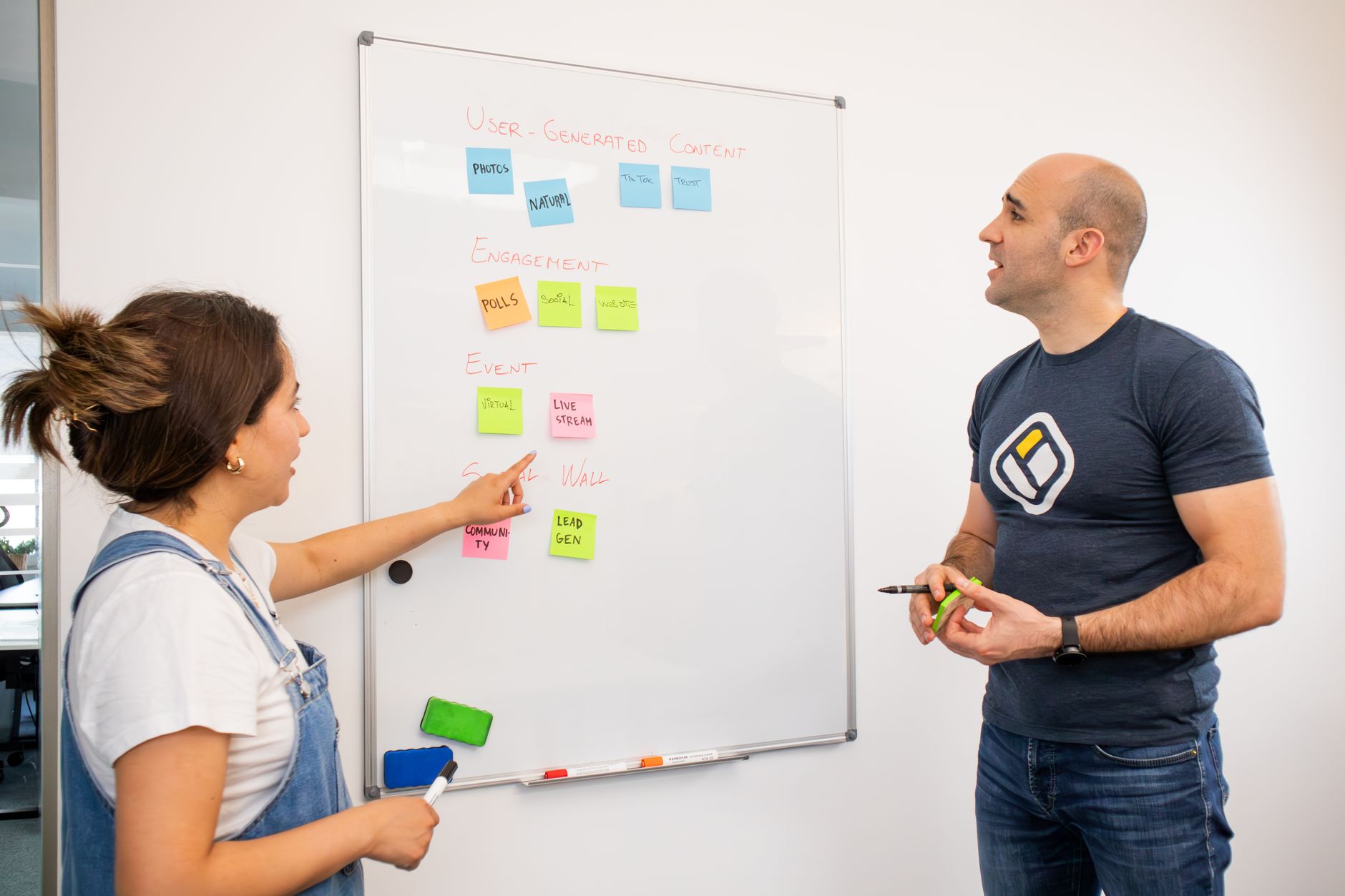
Section photo: Pexels by Walls.io.
3) The 20-minute QA workflow for small teams
You do not need a big editorial department. Use this lightweight flow:
Minute 0–8: Self-QA by drafter
- Run the 12-point checklist quickly.
- Mark each item: Pass / Fix / Not applicable.
- Patch obvious failures immediately (title, section order, vague lines).
Minute 8–15: Peer QA pass
- A teammate reviews only failed or uncertain items.
- Focus on reader outcome and trust gaps, not writing style preference wars.
- Decide one of three statuses: Publish / Revise / Hold.
Minute 15–20: Final packaging
- Confirm cover + section images are inserted and credited.
- Finalize CTA and metadata labels.
- Publish immediately once minimum QA threshold is met.
This keeps speed high while preventing quality debt.
4) Prompt template to QA any draft with AI
You are a strict blog QA editor for a small team.
Review this draft before publication.

Return:
1) Top 5 quality risks (ranked)
2) Which checklist items fail (from the 12-point list)
3) Exact rewrite suggestions (quote + replacement)
4) Final decision: Publish / Revise / Hold

Rules:
- Be specific, no generic praise
- Do not invent external facts
- Prioritize clarity, trust, intent-match, and actionable usefulness
Use this prompt after your first manual pass, not before. AI QA works better when your baseline draft is already structured.

Section photo: Pexels by AS Photography.
5) Add a simple release gate so weak posts do not slip through
Use a score gate:
- 10–12 pass: Publish now
- 7–9 pass: Revise high-impact issues, then recheck
- 0–6 pass: Hold and rebuild core structure
Without a gate, every post feels “urgent,” and quality standards collapse over time.
Common mistakes to avoid
- Checklist theater: marking all items as pass without evidence.
- Too many custom rules: keep one core checklist for all posts.
- Ignoring image relevance: visual mismatch reduces perceived quality fast.
- Publishing with unresolved trust gaps: this hurts long-term credibility more than a one-day delay.
FAQ
How often should we update the checklist?
Start with monthly updates. If your post format changes often, review every two weeks.
Can solo creators use this workflow too?
Yes. Replace peer review with a second pass after a short break (even 30 minutes helps).
Do we need paid tools to run this QA system?
No. A shared doc, a simple score table, and one QA prompt are enough to start.
Final takeaway
AI helps you draft faster, but QA is what protects your reputation.
A pre-publish checklist gives small teams a repeatable quality floor: clearer posts, fewer mistakes, and stronger trust with every publish cycle.


Comments
Post a Comment